

If you live in Seattle, this situation is more common than you might think. Much of the city runs on a combined sewer system - one that carries stormwater and wastewater through the same pipes. During heavy rain events, which Seattle gets plenty of, that system can get overwhelmed. Add in aging infrastructure, tree root intrusion, and the sudden grease blockage, and backups become a danger for homeowners across neighborhoods like Ballard, Georgetown, and the Central District.
The good news is that a sewage backup, as miserable as it is, is a survivable situation - for you and your home. What makes the difference is having a plan instead of instinct. This guide will walk you through everything from discovering the backup to the point where your home is safe, cleaned, and restored.
Key Takeaways
- Seattle's combined sewer system, aging pipes, and heavy rainfall make sewage backups a common and predictable problem for homeowners.
- Sewage water contains dangerous pathogens like E. coli and hepatitis A, requiring everyone to evacuate affected areas immediately.
- Before cleanup, shut off water, cut electricity, wear protective gear, and thoroughly document damage for your insurance claim.
- Porous materials like drywall and carpet must be removed entirely, while hard surfaces can be disinfected with a bleach solution.
- Standard homeowners insurance typically excludes sewer backups; a separate rider is needed to avoid potentially $20,000-$50,000 in out-of-pocket costs.
Why Sewage Backups Happen So Often in Seattle
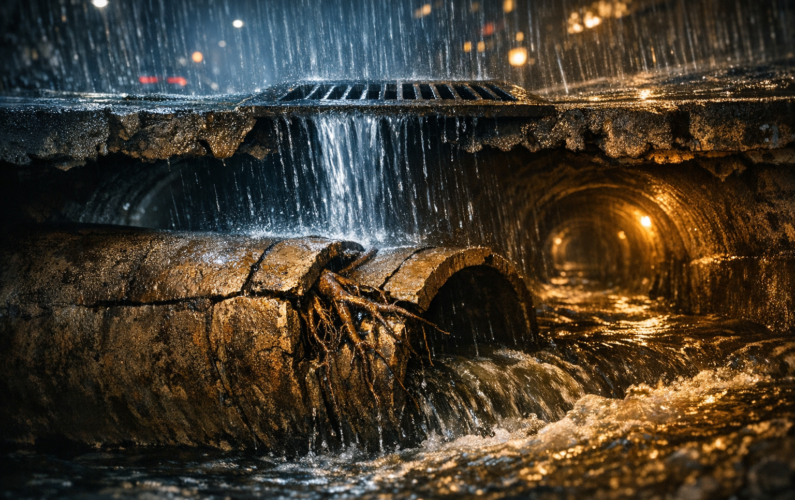
Seattle's sewer infrastructure plays a big part in why backups happen here more than homeowners might expect. The city uses what's called a combined sewer system, which means stormwater and raw sewage travel through the same pipes. When heavy rain hits - and Seattle gets plenty of it - those pipes can fill up fast and push waste back the wrong way.
This isn't a small or isolated problem. King County and Seattle account for nearly 70% of Washington State's combined sewer overflow outfalls; it's a structural reality baked into how the city was built, and it doesn't change overnight.
In 2023, Seattle recorded 20 sanitary sewer overflow events and was handed a $71,000 penalty as a result. That number tells you something that matters: this is a system under pressure, and residential properties sit at the end of that pressure. When the public system gets overwhelmed, it has to go somewhere - and sometimes that somewhere is your basement drain.
Older homes add another layer to this. Many Seattle neighborhoods have aging lateral pipes that connect private homes to the main sewer line. Those pipes can crack, collapse, or get blocked by tree roots over time. A compromised lateral means even a moderate rain event can trigger a backup inside your home. It's also worth knowing how to spot hidden water damage in your Seattle home before it becomes a larger problem.
Seattle's terrain also works against it. The city's hills and elevation changes affect how water moves through the system, and low-lying areas can experience more backflow pressure than properties on higher ground. Where your home sits in relation to the main line matters more than most people know.
None of that means you're helpless. But knowing that the system is under strain helps explain why a backup in your home isn't just bad luck - it's the predictable result of aging infrastructure meeting wet weather. That context matters as you figure out your next steps.
The Health Risks You're Dealing With in the First Hours
Sewage water isn't just dirty - it carries bacteria, viruses and pathogens that can make you ill. E. coli, hepatitis A and norovirus are among the things that can be present in a backup and they don't go away once the water recedes. The contamination stays behind in flooring, drywall and anything else the water touched.
Some family members face a higher level of exposure than others. Young children, elderly adults and anyone with a weakened immune system are more vulnerable to illness from contact with contaminated surfaces. Pets are also at risk because they're low to the ground and may sniff or lick things that can harm them.
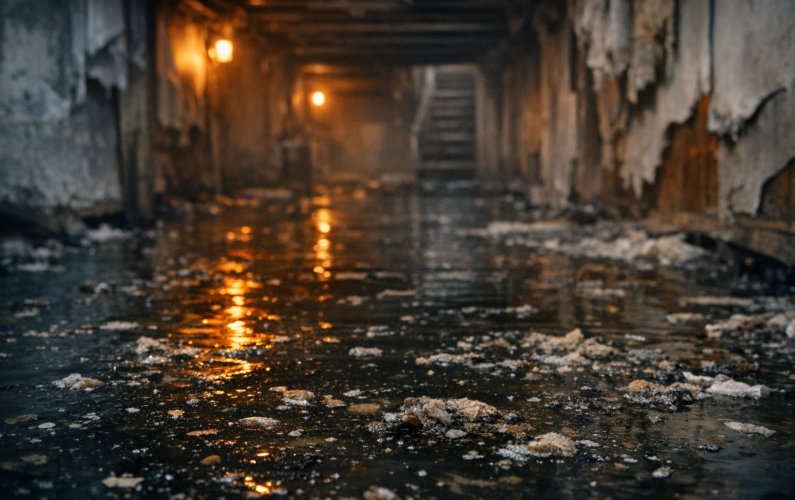
Even quick skin contact with sewage water can be enough to cause infection - especially through small cuts or irritated skin. The air near a backup is also unsafe. Sewage releases gases that can cause headaches, nausea and dizziness. The move is to get everyone out of the affected area until it's been assessed.
The timeline for cleanup matters here as well. Seattle Public Utilities has laws that call for affected wall materials to be removed or sanitized within 24 hours of a sewage event. That window exists because moisture and organic material together create conditions where harmful bacteria can multiply faster. Waiting even a day longer can make the situation harder to resolve.
Moving with intention is more helpful than panic. You want to protect your household while you've figured out your next steps. Knowing what you're dealing with makes it easier to take the right action instead of freezing up or underestimating what needs to happen. If you're unsure where to start, reach out to our team for guidance on what to do next.
Immediate Steps to Take Before Cleanup Begins
The first thing to do is stop the water at the source. If sewage is still flowing or backing up, shut off the main water supply to your home. The shutoff valve is usually near your water meter or where the main line enters the house.
Next, stay out of the affected area until you've assessed the electrical situation. If standing water is anywhere near outlets, appliances, or your electrical panel, go to your breaker box and cut power to those zones. Do not enter water that could have been in contact with live electricity.
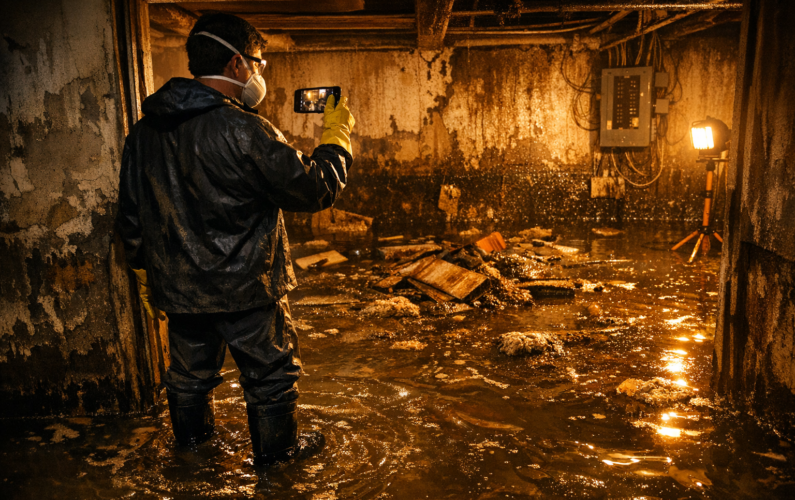
Once the water and power are handled, gear up before you go anywhere near the sewage. At a minimum you want rubber gloves, waterproof boots, and eye protection. A respirator or N95 mask is worth wearing too. Airborne contaminants sit around even after the water settles.
Before you move or touch a single thing, grab your phone and document everything. Walk through the space and take photos and video of all affected areas - the floor, walls, furniture, and any personal belongings - this documentation is what your insurance claim will be built on, so the more thorough you are now, the easier that process will be later.
Follow this order when you first enter the situation.
| Step | Action |
|---|---|
| 1 | Shut off the main water supply |
| 2 | Cut power to affected areas at the breaker |
| 3 | Put on protective gear before entering |
| 4 | Document everything with photos and video |
Keep children and pets out of the affected area throughout this. That part is an absolute must until the space has been cleaned and cleared.
Cleaning and Disinfecting the Affected Area Safely
Once the water is gone and the area is dry enough to work in, the cleanup can start. The first step is determining what can be saved and what needs to go.
Hard surfaces like tile, concrete, and sealed wood can usually be disinfected and kept. Porous materials are a different story. Drywall, carpeting, insulation, and unsealed wood absorb sewage and hold onto bacteria even after they look clean. In most cases, those materials need to come out entirely.
| Surface Type | Examples | Recommended Action |
|---|---|---|
| Hard, non-porous | Tile, sealed concrete, metal, glass | Clean and disinfect |
| Porous or absorbent | Drywall, carpet, insulation, unsealed wood | Remove and replace |
For hard surfaces, the Washington State Department of Health recommends a solution of 1 tablespoon of unscented bleach per 1 gallon of water. Apply it to the surface, let it sit for a few minutes, then wipe it down. Keep the space well-ventilated while you work.
Wear rubber gloves, eye protection, and an N95 mask at a minimum. Sewage contains harmful bacteria and pathogens that can make you sick through skin contact or inhalation, so this is not a step to skip.
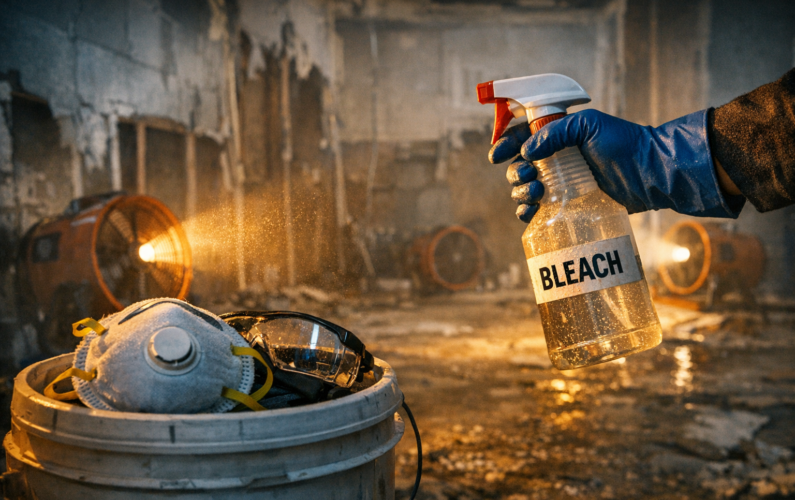
After scrubbing and disinfecting, run fans and a dehumidifier to pull moisture out of the space. Moisture left in walls or under flooring gives you mold growth within 24 to 48 hours.
DIY cleanup works for small, contained areas with hard surfaces. If the backup affected more than one room, soaked into walls, or touched your HVAC system, a licensed restoration company is the safer and more helpful path forward.
Filing an Insurance Claim After a Sewage Backup in Seattle
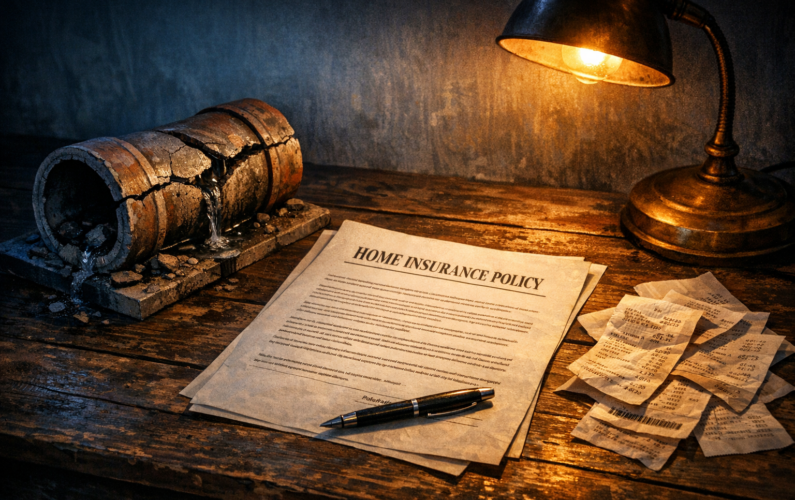
Once the cleanup is underway, the financial side of things needs your attention. Sewage damage restoration can run anywhere from $20,000 to $50,000 without insurance coverage, and homeowners find out too late that their standard policy doesn't cover it.
Most standard homeowners policies treat sewer backup as a separate event from general water damage. That means your base policy might cover nothing at all, or cap the payout at just $5,000 - with a high deductible on top of that. A sewer backup rider (sometimes called an endorsement) fills that gap. But it has to be added before the damage happens.
Here is a quick look at how common coverage types usually compare:
| Coverage Type | Typical Limit | Sewer Backup Included? |
|---|---|---|
| Standard Homeowners Policy | Varies | Usually no |
| Sewer Backup Rider | $5,000-$25,000 | Yes |
| Flood Insurance (NFIP) | Up to $250,000 | Limited |
When you contact your insurer, have your documentation ready. Take photos and video of every affected room before anything is moved or removed. Keep receipts for any emergency services, equipment rentals, or temporary accommodations. Write down dates, times, and what you observed so the timeline is clear.
Your insurer will probably send an adjuster to look at the damage. Be present for that visit if you can so you can walk them through everything.
After the claim is settled, ask your agent to talk about your current policy and what riders are available - it's worth learning about how insurance claims work going forward in case you need it again.
Getting Your Seattle Home Back to Normal - and Staying Ahead of the Next One
Once the dust settles, you can use this experience as motivation to cut back on your danger going forward. Seattle homeowners in particular can benefit from a few proactive measures:
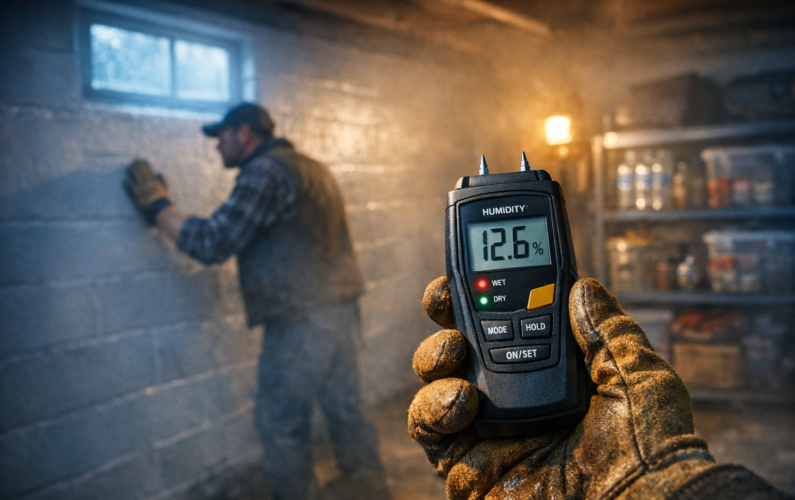
- Install a backwater valve - This device prevents municipal sewer overflows from pushing back into your home and is one of the most effective defenses available.
- Schedule regular drain inspections - A plumber can spot root intrusion, pipe deterioration, or buildup before it becomes a full backup.
- Review your insurance coverage now - Standard homeowners policies often exclude sewer backup damage. Adding a rider before an incident happens can save you thousands.
Nobody should have to get through sewage damage alone, and you don't have to. Disaster strikes without warning. But recovery starts with one call. For sewage, water, fire, storm, or mold damage, Blaze Restoration is here to help you rebuild and get your home back to the way it should be. Serving homeowners across Washington, California, Oregon, and Idaho - with financing available - Blaze Restoration brings the experience and resources to manage the job right. Get your free estimate and let's restore what matters to you the most. Call 800-464-1142.
FAQs
Why are sewage backups so common in Seattle?
Seattle uses a combined sewer system that carries both stormwater and wastewater through the same pipes. During heavy rainfall, these pipes can overflow, pushing sewage back into homes. Aging infrastructure and tree root intrusion further increase the risk.
What health risks does sewage backup pose?
Sewage water contains dangerous pathogens including E. coli, hepatitis A, and norovirus. Even brief skin contact can cause infection, and airborne gases can trigger headaches and nausea. Children, elderly adults, and immunocompromised individuals face the highest risk.
What should I do immediately after a sewage backup?
Shut off the main water supply, cut electricity to affected areas, put on protective gear, and document all damage with photos and video before touching anything. Keep children and pets out of the affected area throughout the process.
Does homeowners insurance cover sewage backup damage?
Standard homeowners insurance typically excludes sewer backup damage. A separate sewer backup rider must be added to your policy beforehand. Without coverage, restoration costs can reach $20,000-$50,000 out of pocket.
How can I prevent future sewage backups?
Installing a backwater valve is one of the most effective defenses against municipal sewer overflows entering your home. Regular drain inspections and reviewing your insurance coverage for a sewer backup rider are also strongly recommended preventive steps.