

What's harder to make peace with is what all that moisture does behind the scenes. Seattle's regional humidity sits above 70%, which means that when water finds its way into your home - through a compromised roof, a slow pipe leak, or a foundation that's seen one too many wet winters - it doesn't just evaporate. It seeps and settles into wood framing, drywall, and subfloors, and it starts doing damage long before you ever see a single water stain.
That's the part that catches homeowners off guard. Water damage in Seattle homes is usually invisible in the early stages, tucked behind walls, beneath flooring, or inside crawl spaces where no one thinks to look. By the time something obvious shows up - a soft spot in the floor, a bubbling patch of paint, a smell you can't quite place - the damage has usually been building for months, sometimes longer.
The good news is that hidden water damage leaves clues, and if you know what to look for, you can catch it early. This guide will walk you through the most common signs Seattle homeowners miss, where to look for them, and what to do if you find something that doesn't seem right.
Key Takeaways
- Seattle's humidity above 70% prevents moisture from drying out, allowing hidden water damage to build for months undetected.
- Key warning signs include bubbling paint, warped baseboards, soft floors, and musty smells indicating mold growth behind surfaces.
- Crawl spaces, attic insulation, bathroom tile, window frames, and foundation walls are the highest-risk spots for hidden moisture.
- Affordable tools like moisture meters, infrared thermometers, and humidity gauges help homeowners detect hidden water damage early.
- Active mold, sagging ceilings, or persistently high moisture readings require immediate professional assessment rather than DIY investigation.
Why Seattle's Climate Makes Water Damage Harder to Detect
Seattle gets around 37 inches of rain per year. But that number alone doesn't tell the full story. The challenge is the consistency of it - months of grey skies, persistent drizzle and humidity that never lets up. That sustained moisture puts homes under pressure in a way that a single heavy storm does not.
In a dry climate like Phoenix, a damp wall has a fighting chance to dry out between weather events. In Seattle, that window barely exists. Moisture gets into wall cavities, insulation and framing and then it just stays there. Materials that would recover in drier air stay wet long enough to start breaking down or growing mold.
The EPA has found that indoor mold levels can run 2 to 5 times higher in humid climates compared to drier ones; it's an actual gap and it matters because mold inside walls or under floors can spread well before you see or smell anything.
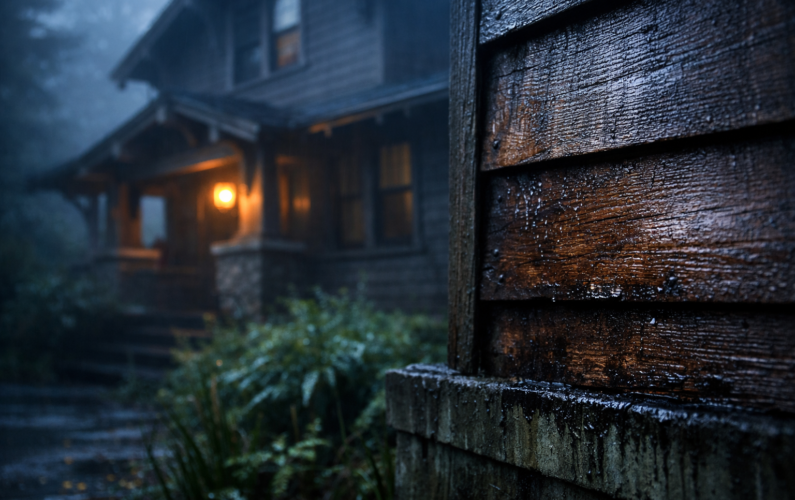
Seattle's 2026 Stormwater Code changes are also worth learning about. The updated laws push more stormwater management responsibility onto private properties, which means drainage design and maintenance will play a bigger role in how well homes manage heavy rain events going forward. For older homes especially, it will add a layer of risk that wasn't as relevant before.
What this all adds up to is a city where water damage has more places to hide and more time to do it. The conditions that make Seattle beautiful - the greenery, the mild temperatures - are the same ones that keep everything a little too damp.
If you've been thinking of water damage as something dramatic and obvious, it's worth changing that picture. In Seattle, the damage is usually quiet and gradual, which is why learning about what to look for makes all the difference.
Physical Warning Signs You Shouldn't Brush Off
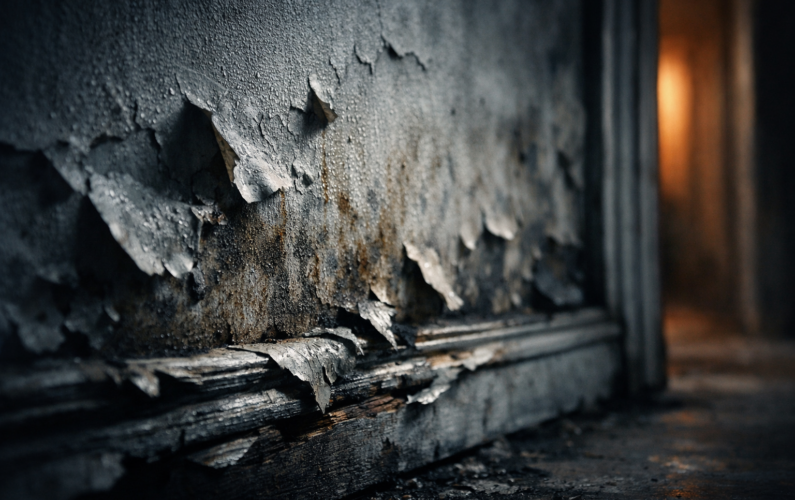
By the time you see something wrong, water has usually been sitting there for a while; it's what makes these signs worth taking seriously - they're not the start of the problem, they're the result of it.
Paint that peels or bubbles on walls and ceilings is one of the clearest things to watch for - it means moisture has gotten behind the surface and it's pushing its way out. The same goes for drywall that looks warped or feels soft when you press on it.
Baseboards are easy to forget. But they're worth a close look. Wood that's swollen, warped, or pulling away from the wall at the bottom is a sign that water has been sitting at floor level. Soft or springy places in the floor itself - especially near bathrooms or under sinks - point to the same thing.
A musty smell without an obvious source is another signal to take seriously. You might not see anything wrong. But your nose is picking up on mold or mildew that's already growing somewhere out of view. That smell doesn't always mean there's a flood situation - sometimes it's just a slow leak that's been going on for months.
| Type of Sign | Where It Shows Up | What It May Mean |
|---|---|---|
| Visual (stains, discoloration) | Ceilings, walls, around windows | Moisture seeping through from above or outside |
| Smell (musty or damp odor) | Basements, closets, bathrooms | Mold or mildew growth behind surfaces |
| Texture (soft, spongy, warped) | Floors, baseboards, drywall | Water has soaked into structural materials |
Ceiling stains - those yellowish or brownish rings - are worth investigating even if they look old and dry. Water stains don't always mean there's an active leak above you. But they do mean there was one at some point.
The Spots in Your Home Most Likely to Hide Water Damage
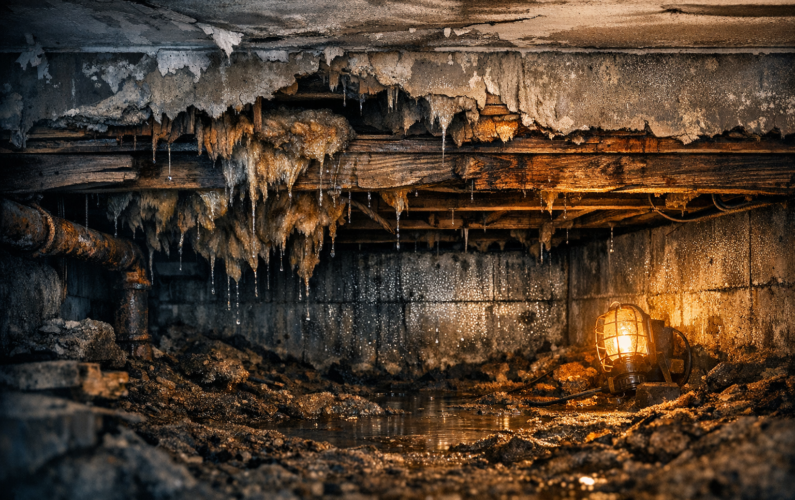
Some parts of your home almost never get a second look - it's where water damage tends to go unnoticed for months or years. In Seattle, long wet winters and heavily saturated soil make these areas especially vulnerable.
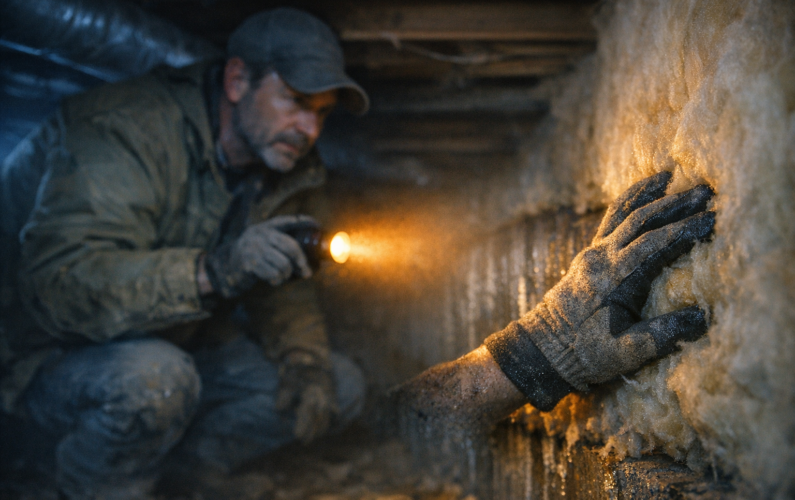
Crawl spaces are probably the worst offender. They sit close to the ground, get little airflow, and absorb moisture from the soil beneath them. Most homeowners haven't been down there in years, which gives water plenty of time to damage floor joists and wooden supports.
Attic insulation is another place to check. When a roof develops even a small leak, the insulation absorbs moisture and hides it well. You won't see it from below until the damage reaches your ceiling drywall.
Behind bathroom tile is also worth mentioning. Grout breaks down over time and lets water sneak behind the wall. By the time the tile starts to change or feel soft underfoot, the wall framing behind it may already be compromised.
Under kitchen sinks and around window frames are two more places that homeowners walk past every day without looking. Sink plumbing drips slowly and soaks the cabinet floor over time. Window frames in older Seattle homes let in water along the edges during heavy rain, and that's also the case if the caulk has aged and pulled away from the wall.
Near the foundation is worth a close look too. Seattle's soil holds water after rain, and that moisture pushes against your foundation walls. Interior basement walls can stay damp without showing obvious staining immediately.
| Location | Common Cause | Early Red Flag |
|---|---|---|
| Crawl space | Ground moisture and poor ventilation | Musty smell from floor level |
| Attic insulation | Small roof leaks | Compressed or discolored insulation |
| Behind bathroom tile | Failed grout or caulk | Soft or loose tiles |
| Under kitchen sink | Slow plumbing drips | Warped or stained cabinet floor |
| Window frames | Aged caulk and heavy rain | Paint peeling near the frame |
| Foundation walls | Saturated soil and hydrostatic pressure | White mineral deposits on concrete |
If you can't remember the last time you actually looked inside your crawl space or checked the caulk around your windows, that's a good enough reason to get started.
Tools and Methods Homeowners Can Use to Check for Moisture
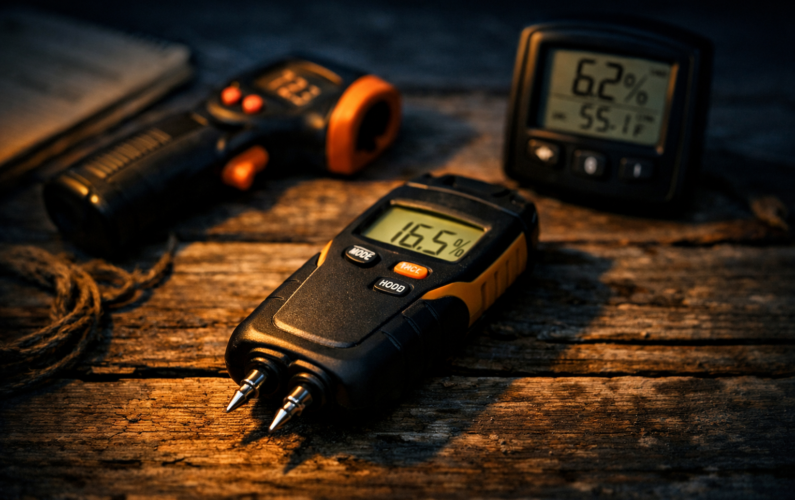
You don't need to be a contractor to find hidden moisture. A few affordable tools can tell you quite a bit about what's going on inside your walls, floors, and ceilings before things get worse.
A moisture meter is the most useful tool to have. You press it against a surface and it gives you a reading that tells you how much water is trapped in the material. Readings above 20% in wood usually point to a problem worth investigating more.
An infrared thermometer works a little differently - it reads surface temperature, and wet areas tend to be cooler than the dry material around them. You're not seeing moisture directly - you're seeing the temperature difference that moisture creates. It's a great way to scan a large area fast without touching every inch of wall.
A humidity gauge, sometimes called a hygrometer, measures the moisture level in the air of a room. In a Seattle home, indoor humidity above 60% can welcome mold growth and warping. These are especially helpful in basements and crawl spaces year-round.
The table below shows what each tool does and what to expect from one.
| Tool | What It Measures | Approximate Cost | What to Watch For |
|---|---|---|---|
| Moisture meter | Water content in materials | $20-$60 | Readings above 20% in wood |
| Infrared thermometer | Surface temperature differences | $15-$50 | Cool patches on walls or floors |
| Humidity gauge | Airborne moisture levels | $10-$30 | Consistent readings above 60% |
None of these tools are hard to use and most are available at any hardware store. The EPA has estimated that 10% of homes lose over 90 gallons of water per day to undetected leaks - so even a $30 moisture meter can save you thousands if it catches a problem early.
When the Damage Is Beyond a DIY Fix
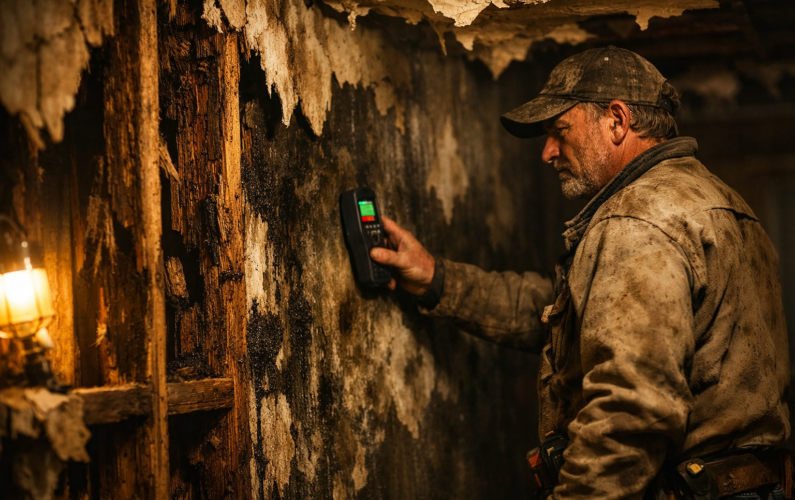
Moisture meters and thermal cameras can tell you quite a bit. But they can't tell you how far rot has spread inside a wall or if your subfloor is structurally compromised. At some point, the right move is to stop investigating and call a person who can fix it.
A few situations call for a professional assessment immediately. If you see active mold growth, sagging ceilings, soft places in your flooring, or any sign that water has reached your electrical system, don't wait. The same goes for moisture readings that stay high after a few dry days - it usually means a source that isn't obvious from the surface.
A number worth keeping in mind: water damage insurance claims now average over $12,500. The difference between a small fix and a large one can depend on how fast you act. According to the Insurance Information Institute, water damage accounted for 27.6% of all homeowners insurance claims in 2022, which makes it one of the most common reasons to file.
If you do find damage, document everything before any repair work starts. Take photos and video of affected areas, record the date, and write down where you found moisture readings and what those readings were. Your insurer will want a picture of what existed before remediation, and the more thorough your records, the smoother that conversation goes.
A licensed water damage contractor or a certified home inspector gives you a scope of the problem and an honest assessment of what needs to happen next. In Seattle, older housing stock and persistent rain create constant pressure on building materials, so it's worth getting that second set of eyes sooner rather than later.
You don't have to figure this out on your own. Knowing when to hand it off is as helpful as learning how to look.
Stay One Step Ahead of Seattle's Rain
A simple monthly schedule focused around the high-danger areas in your home is one of the most helpful things you can do as a Seattle homeowner. Start small and stay steady:
- Check under sinks in the kitchen and bathrooms for soft spots, staining, or musty odors
- Inspect your crawl space for standing water, damp insulation, or white mineral deposits on the foundation walls
- Look at your ceilings and walls for new discoloration, bubbling paint, or warping
- Examine window and door frames for soft wood or peeling caulk after heavy rain
- Peek at your roof flashing and gutters seasonally, especially heading into fall and winter
You know your home better than anyone. If something looks off, smells musty, or just feels different than it used to, trust that instinct and investigate more. Early detection of water damage is usually cheaper, faster, and far less stressful than the aftermath of ignoring it. Do yourself a favor this weekend - go check that crawl space. Take a flashlight, spend five minutes, and know what you are working with.
And if you find something that goes past a DIY fix, don't wait. Disaster strikes without warning. But recovery starts with one call. Whether you are dealing with water damage, fire, storm destruction, or mold, Blaze Restoration is ready to help you rebuild and reclaim your home. Serving homeowners across Washington, California, Oregon, and Idaho with flexible financing available, their team is equipped to manage whatever you are facing. Get your free estimate and let's restore what matters to you the most. Call 800-464-1142 - because the sooner you act, the better the outcome.
FAQs
Why is water damage harder to detect in Seattle?
Seattle's humidity stays above 70%, preventing moisture from drying out between rain events. This allows water trapped in walls, insulation, and framing to linger and cause damage for months before any visible signs appear.
What are the most common signs of hidden water damage?
Watch for bubbling or peeling paint, warped baseboards, soft spots in flooring, musty odors, and yellowish ceiling stains. These signs typically indicate water has already been present for an extended period.
Where should I check first for hidden moisture in my home?
Focus on crawl spaces, attic insulation, behind bathroom tiles, under kitchen sinks, window frames, and foundation walls. These areas are rarely inspected and give water damage the most time to go undetected.
What affordable tools help detect hidden water damage?
A moisture meter ($20-$60), infrared thermometer ($15-$50), and humidity gauge ($10-$30) are all effective and easy to use. Wood moisture readings above 20% or indoor humidity above 60% signal a problem worth investigating.
When should I call a professional instead of investigating myself?
Call a professional immediately if you find active mold, sagging ceilings, soft flooring, or persistently high moisture readings. These signs indicate damage that tools alone cannot fully assess or safely resolve.